Texture Assets
PBR Materials
Planet Textures
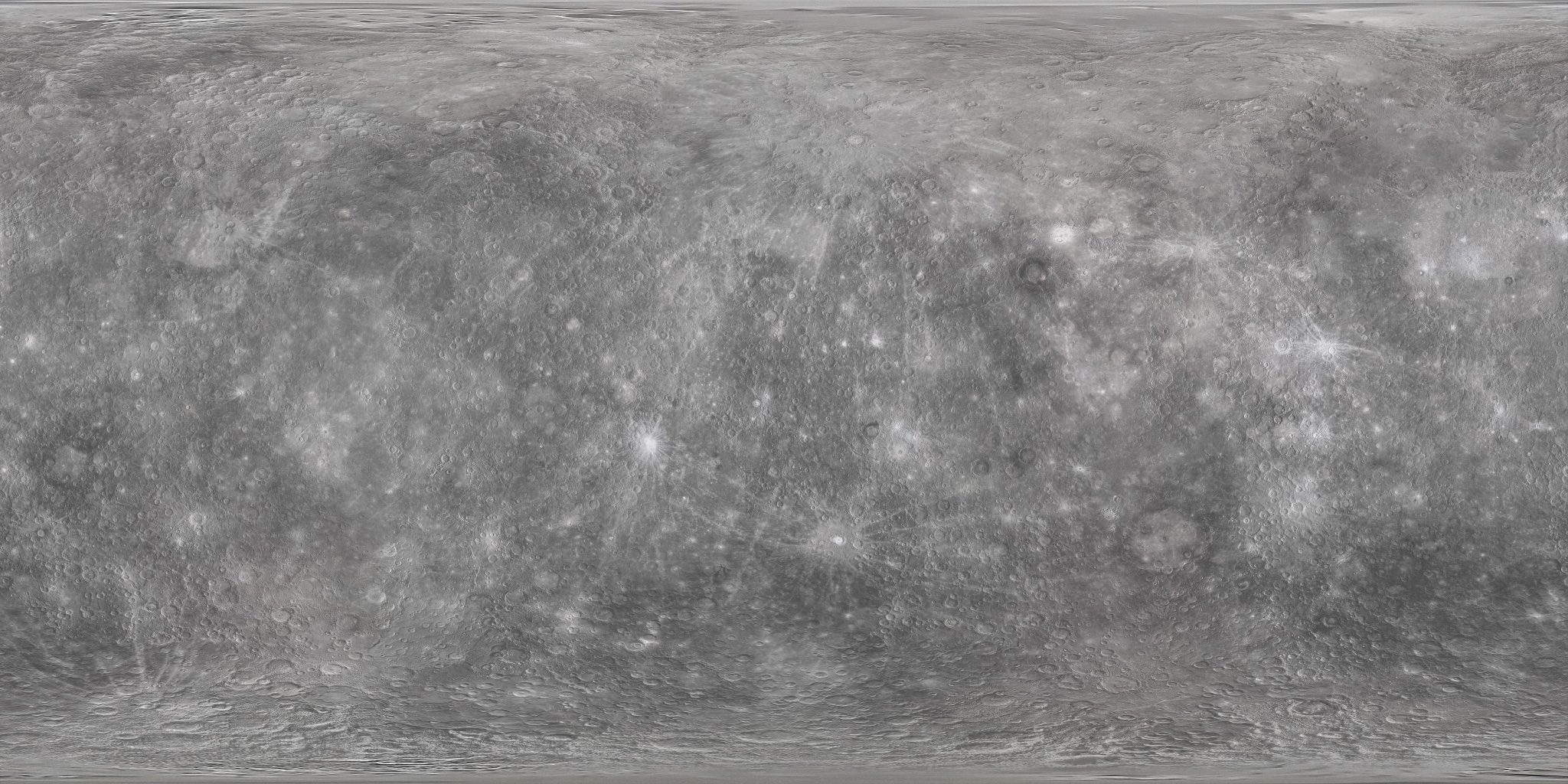
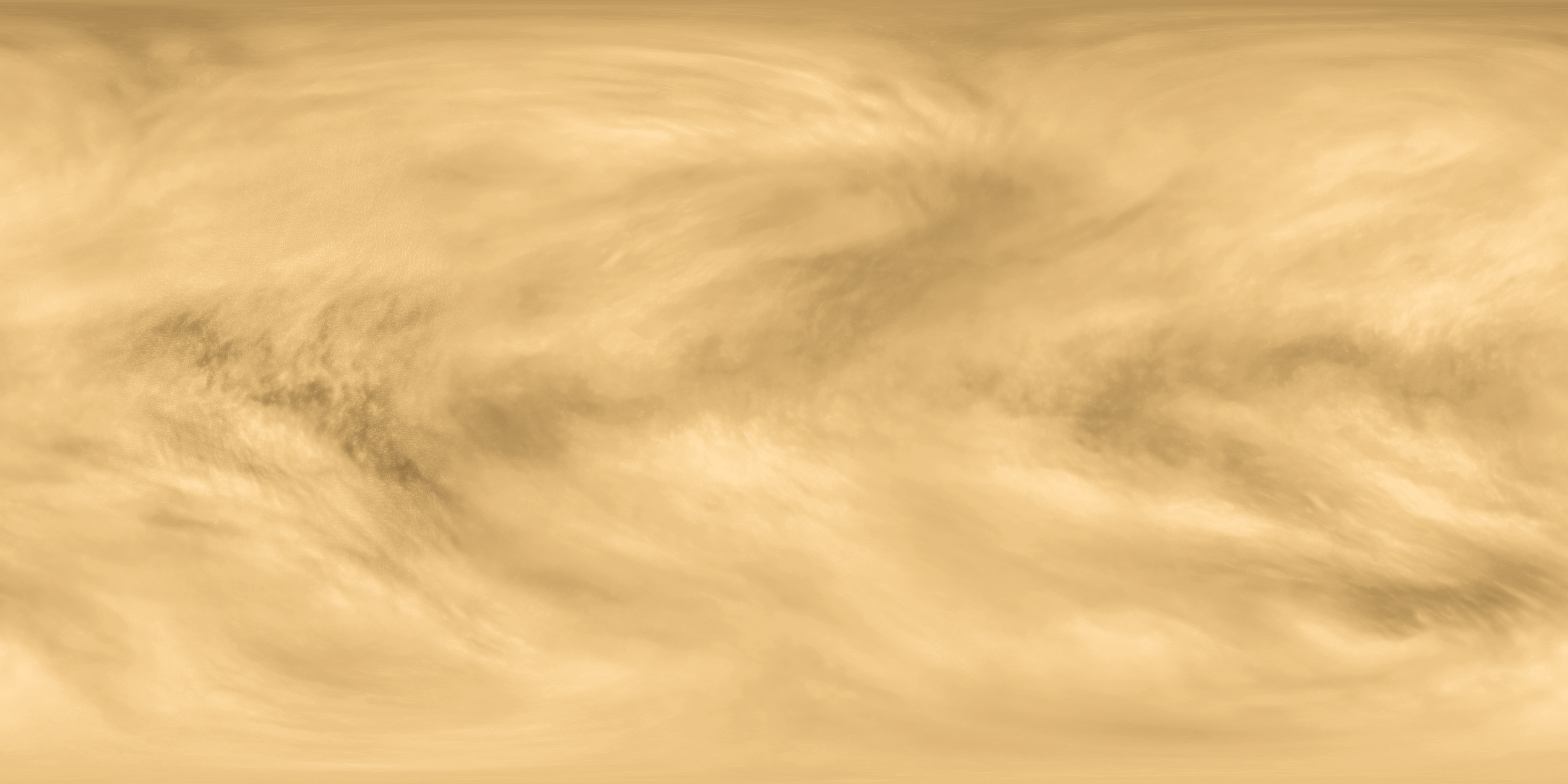
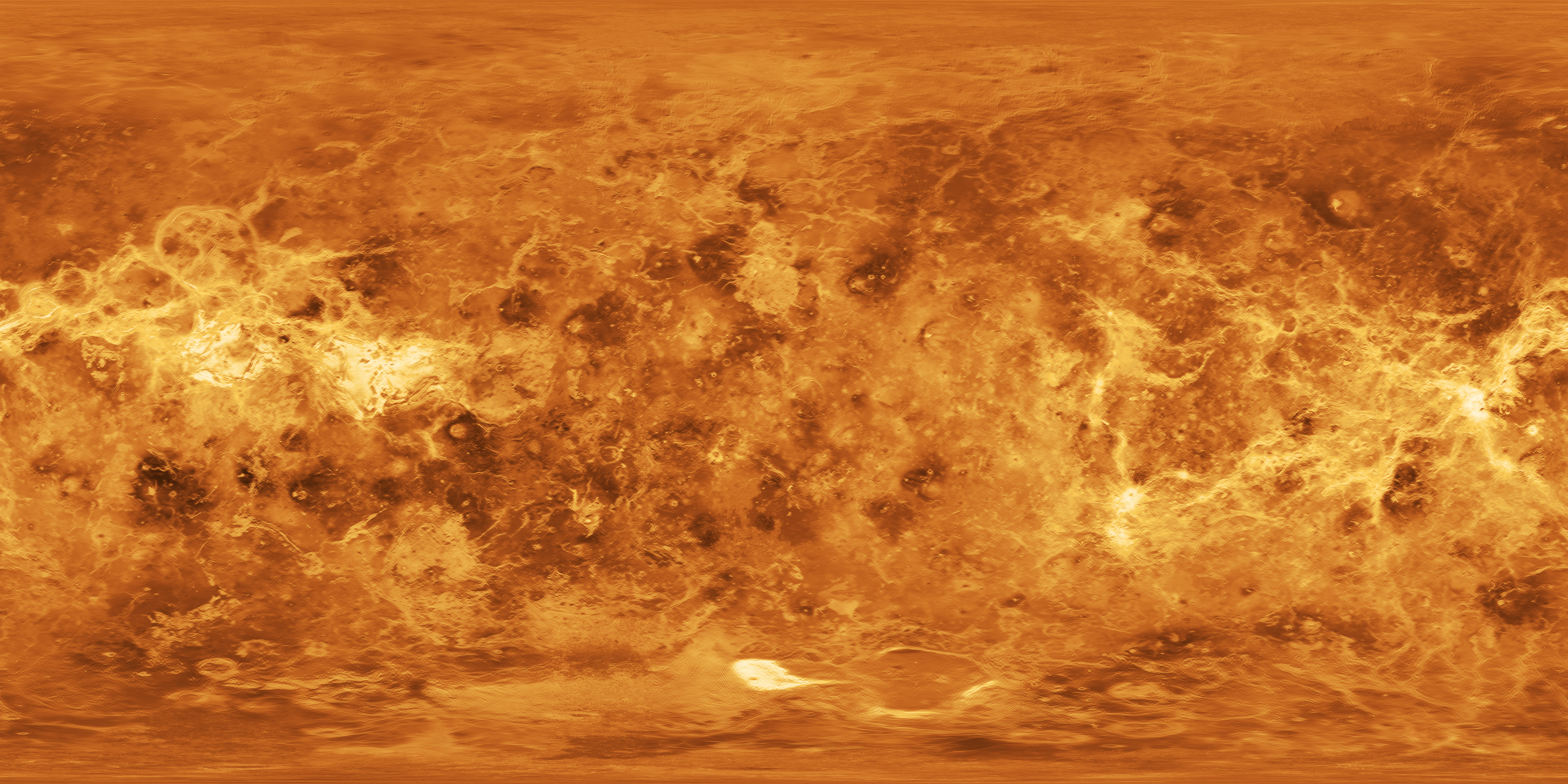
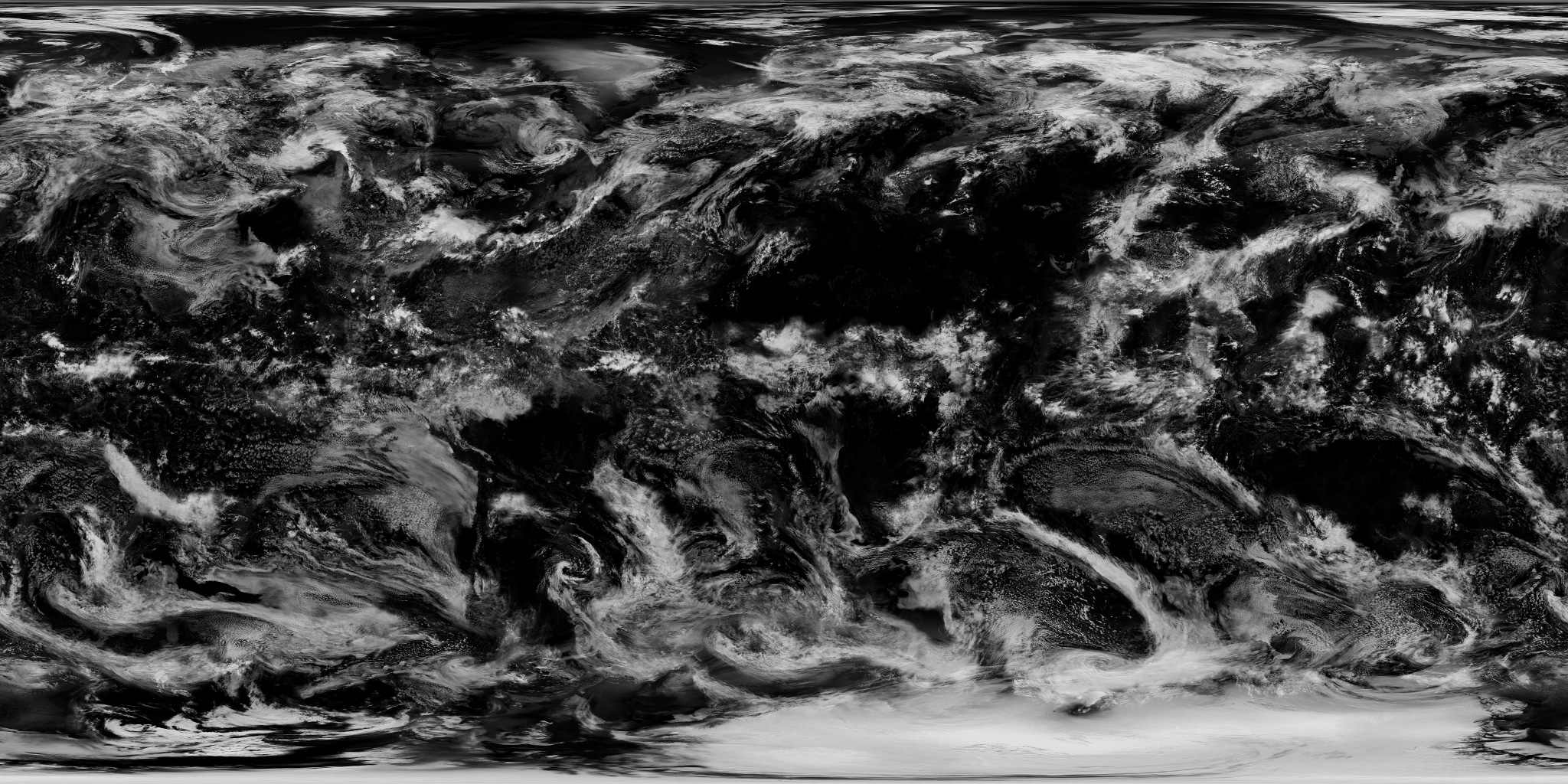
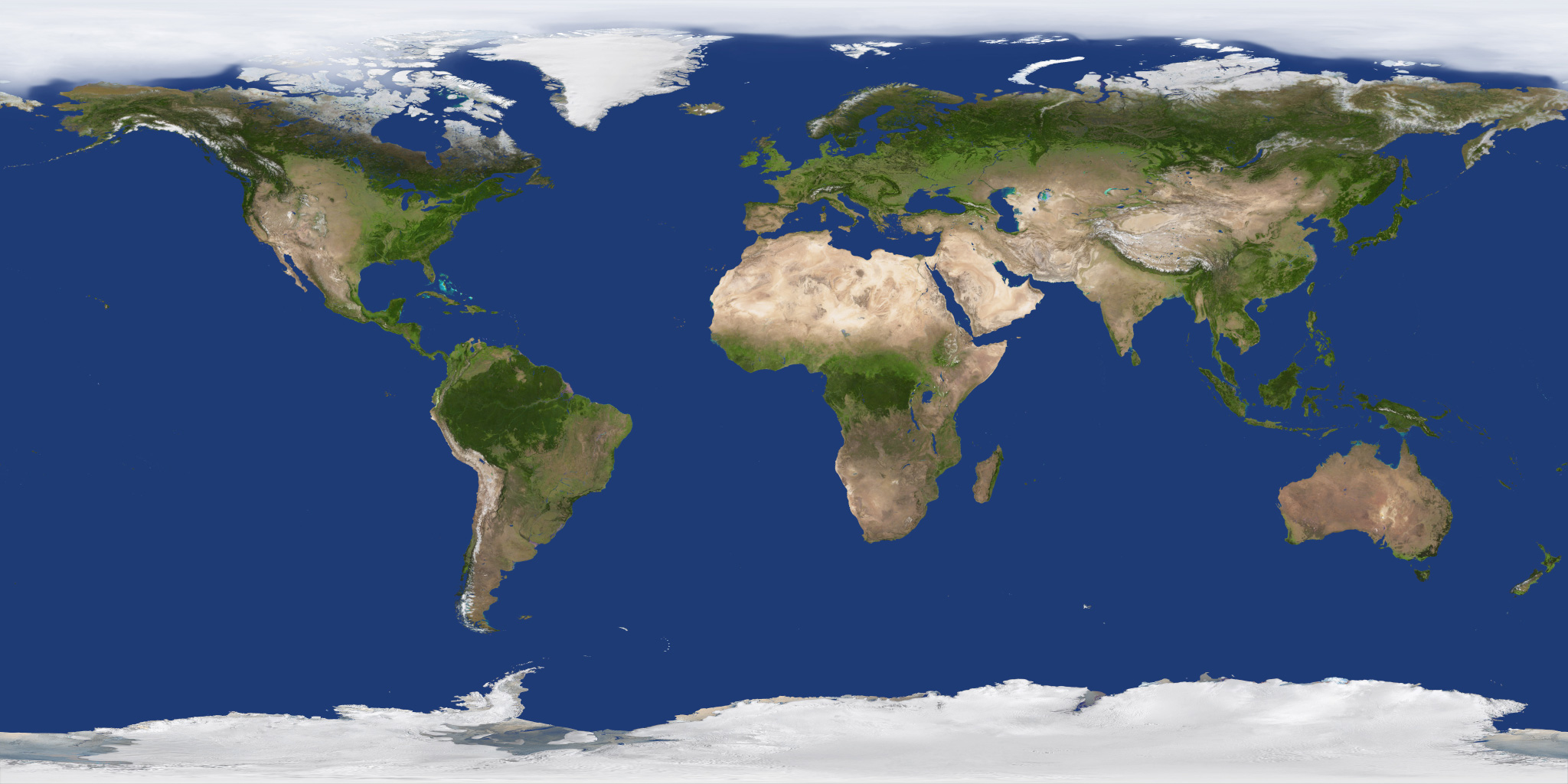
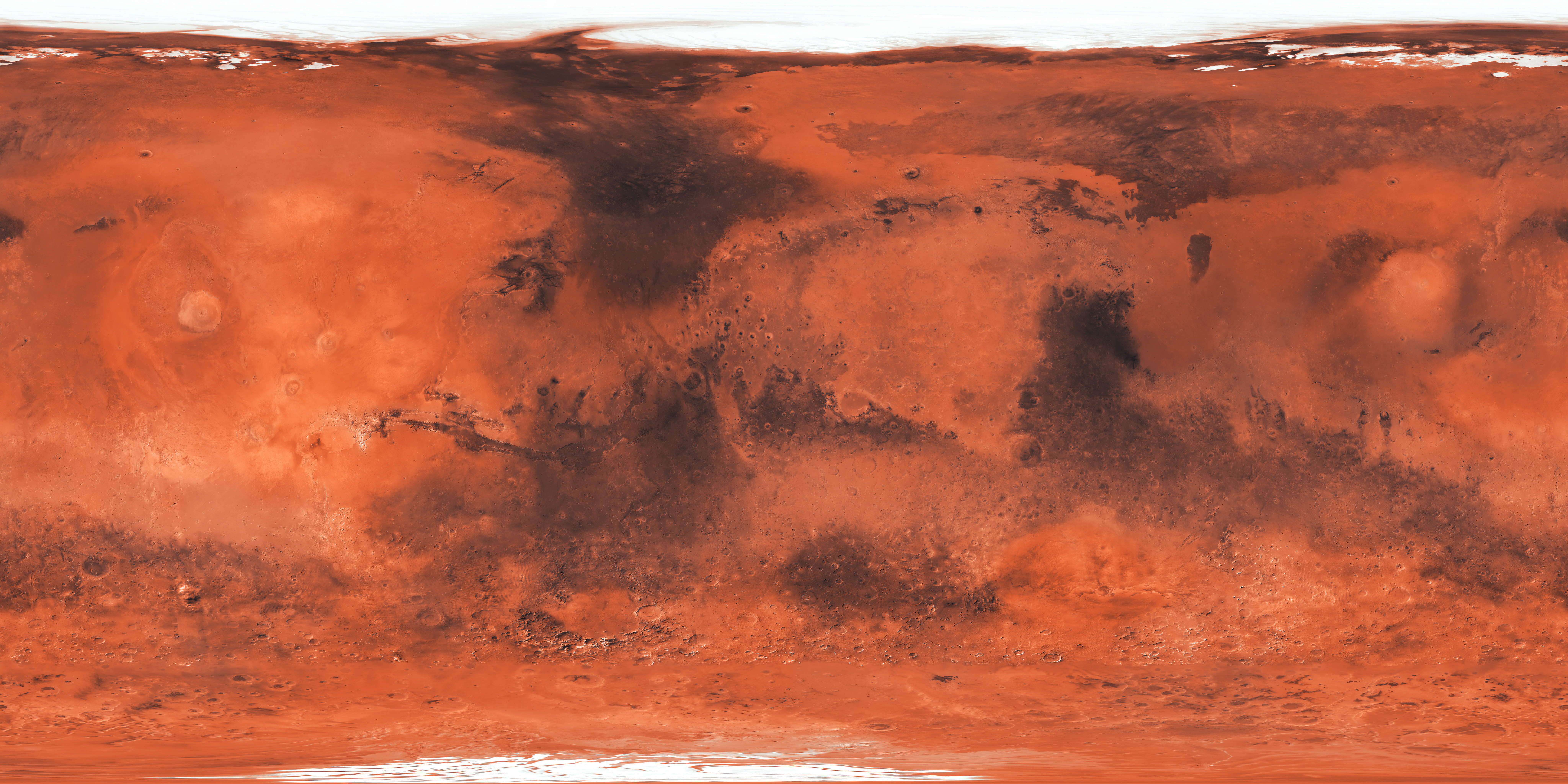
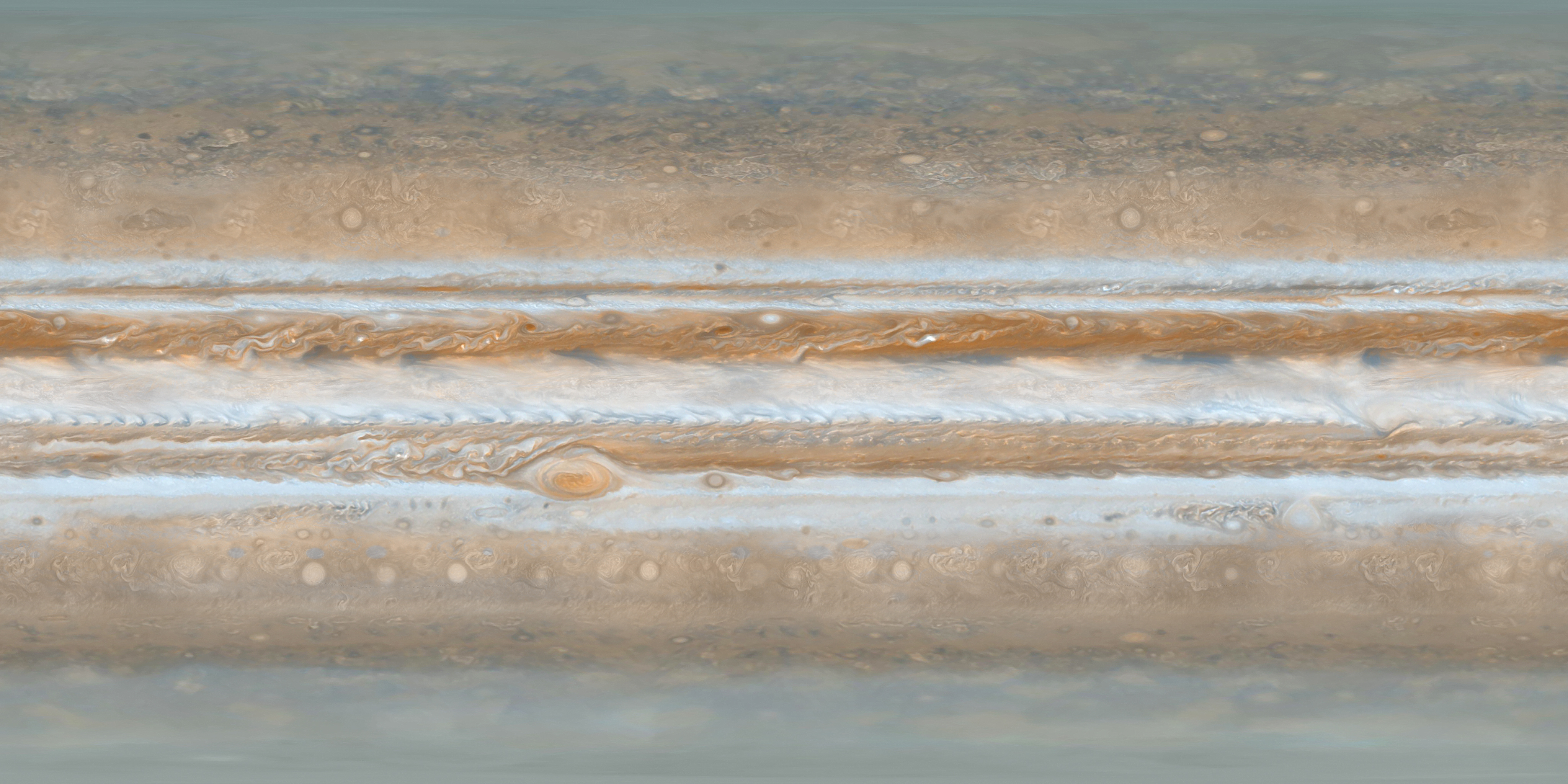
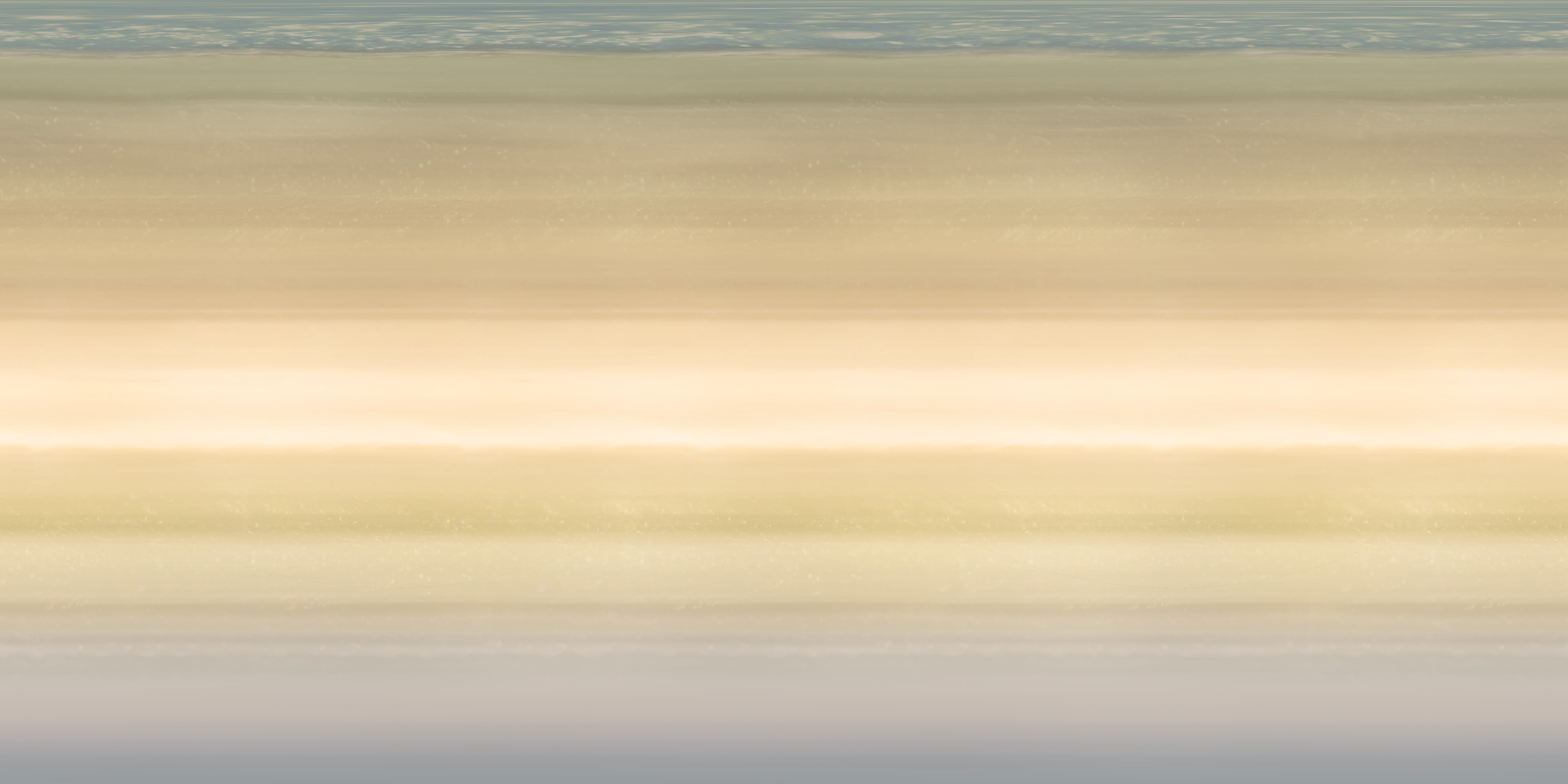
High-resolution texture maps used for each celestial body in the Blender scene. Click a thumbnail to preview, or use the download button to save individual files.
Project — 02 / Interactive Visualization
An interactive model of our solar system — orbits, periods, and scale rendered with scientific precision. Motion as mathematics, space as canvas.
3D Animation — Blender Render
A full 3D render produced in Blender — scripted camera visits, orbital animations, and cinematic depth-of-field across all nine bodies.
↳ Updates age, revolutions & orbital period across all planet cards
Eight worlds, each with unique characteristics, orbiting our star in a carefully choreographed cosmic dance that has persisted for billions of years.
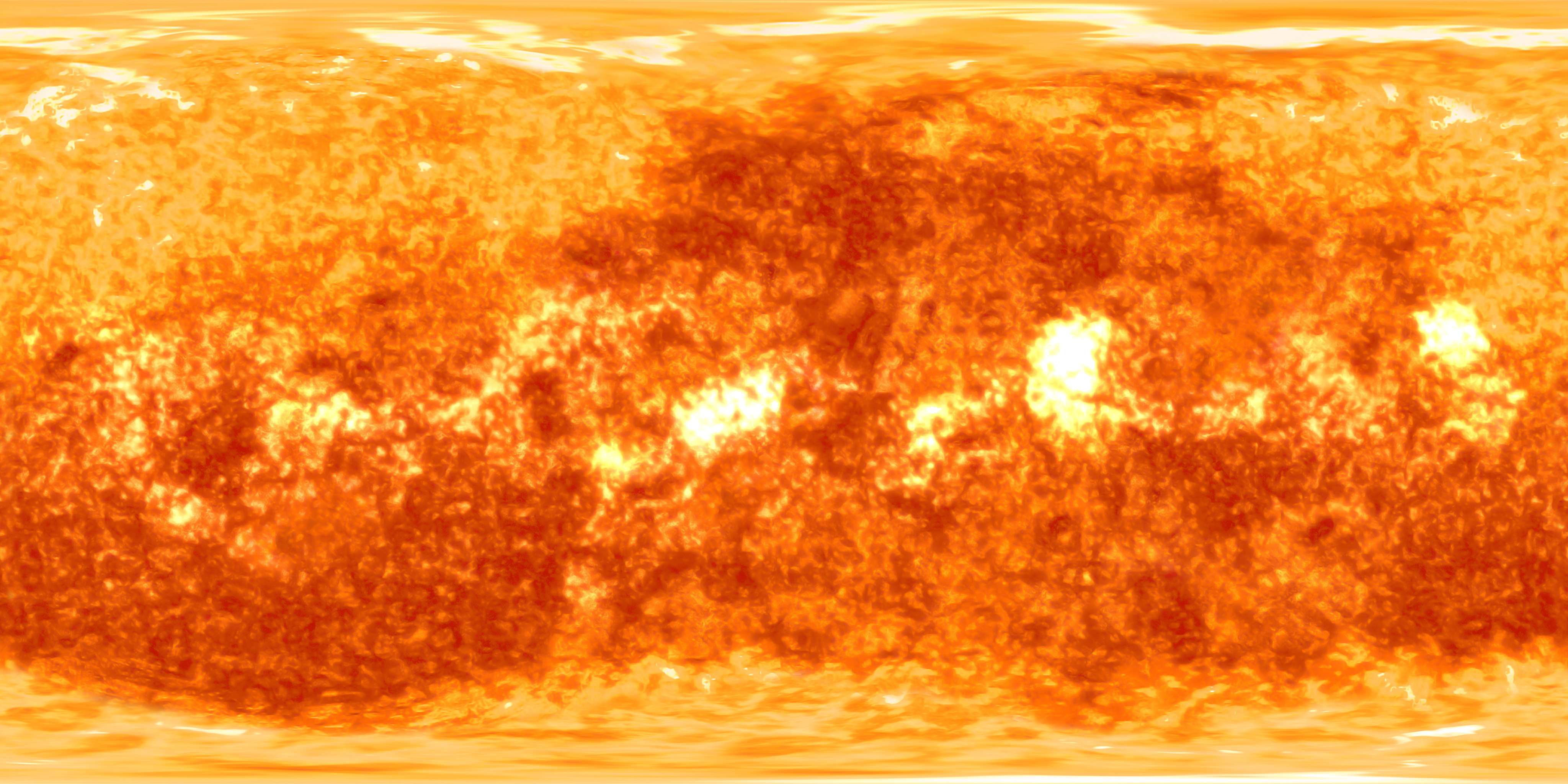
Our star, the Sun, is a massive ball of plasma that provides the energy needed for life on Earth through nuclear fusion.
The smallest and innermost planet, Mercury has extreme temperature variations and a surface scarred by countless impact craters.
Often called Earth's twin, Venus is shrouded in thick toxic clouds and has a runaway greenhouse effect making it the hottest planet.
Our home planet is the only known place in the universe confirmed to host life, with vast oceans and a protective atmosphere.
The Red Planet features the largest volcano in the solar system and polar ice caps that contain frozen water and carbon dioxide.
The largest planet in our solar system, Jupiter's Great Red Spot is a storm larger than Earth that has raged for centuries.
Adorned with spectacular ring systems made of ice and rock, Saturn is the second-largest planet and could float in water.
The tilted ice giant rotates on its side, possibly due to a massive collision in its past, giving it extreme seasonal variations.
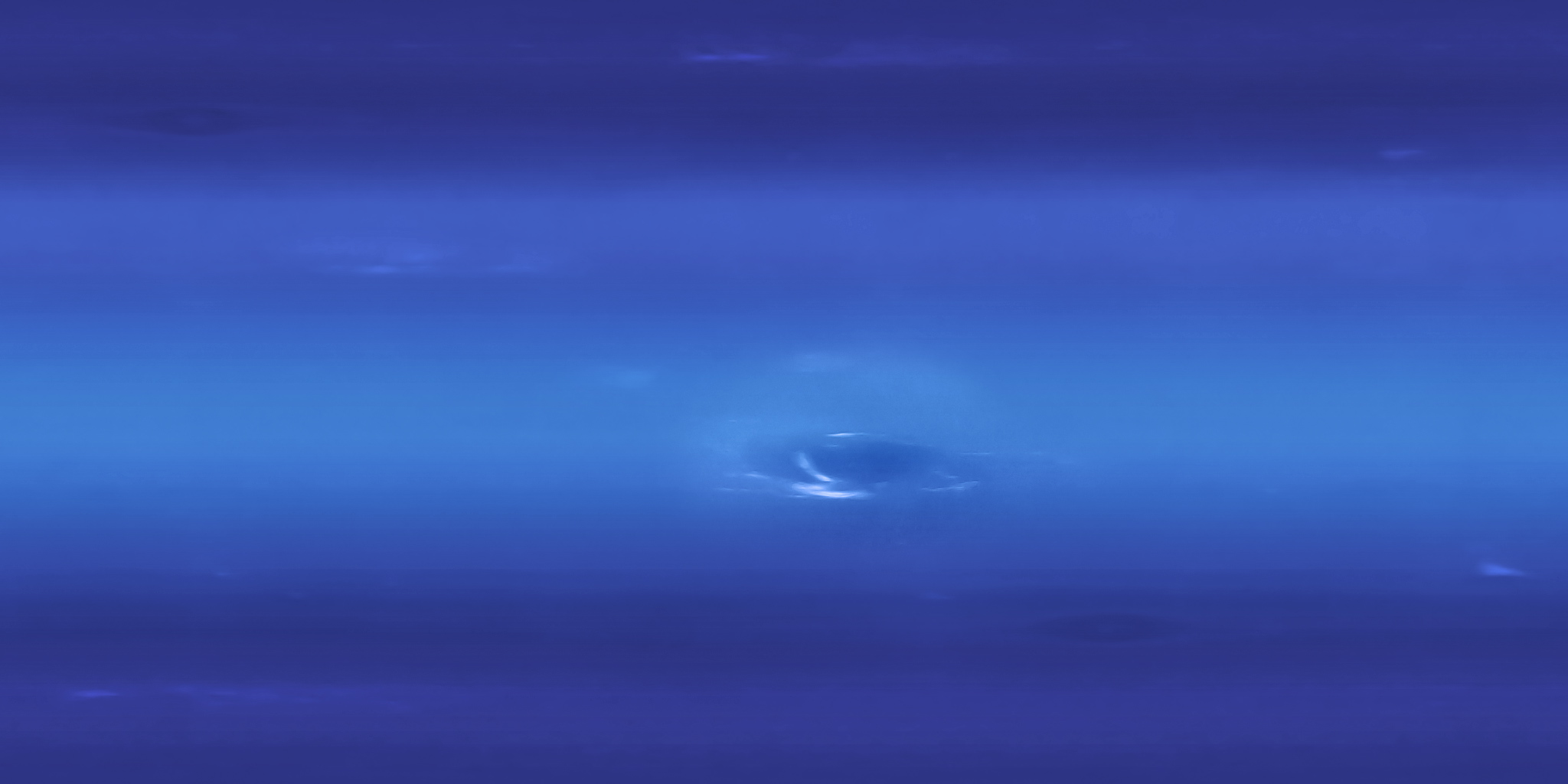
The outermost planet features the fastest winds in the solar system and a deep blue color from methane in its atmosphere.
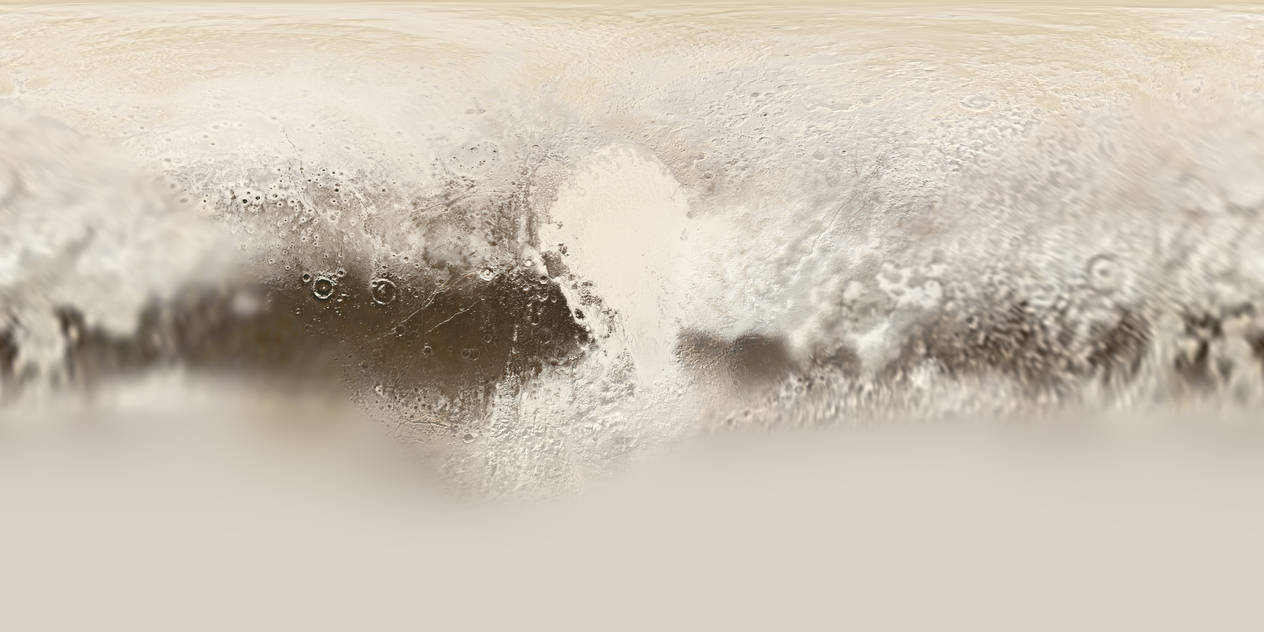
Once classified as the ninth planet, this icy dwarf world has a heart-shaped glacier and orbits in the distant Kuiper Belt beyond Neptune.
PBR Materials
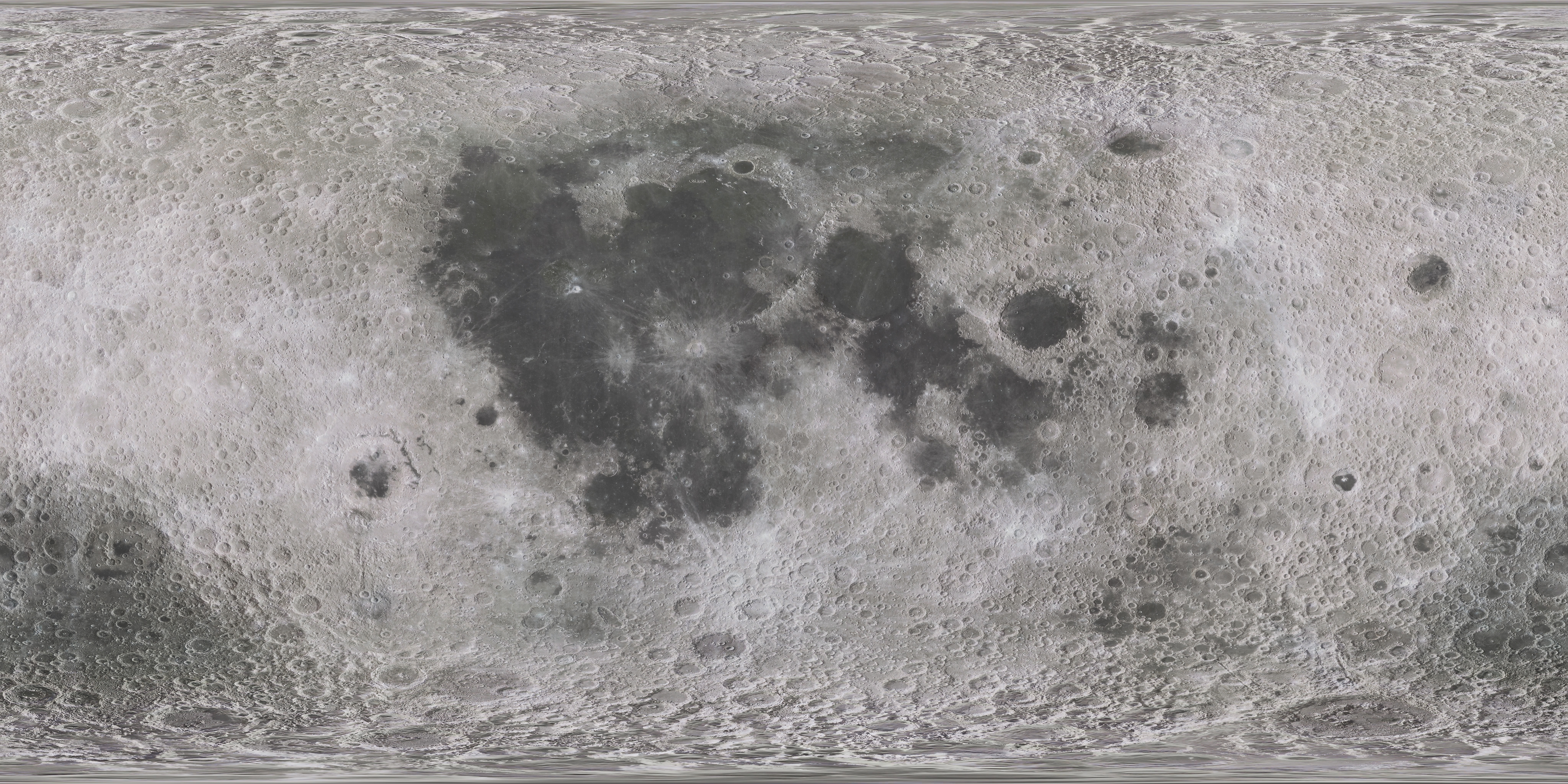
High-resolution texture maps used for each celestial body in the Blender scene. Click a thumbnail to preview, or use the download button to save individual files.
Technical Reference — Blender 5.1
The Python script below drives the entire 3D render — camera choreography, orbital timing, depth-of-field per planet, and NLA strip extension across a full 2-minute timeline.

.jpg)